



Tips To Clean Hard To Reach Areas In Your Home
Cleaning your home regularly may seem enough to keep it spotless, but some hidden and hard to reach spaces usually get ignored. These spaces quietly collect dust, grease, cobwebs, bacteria and allergens over time. From ceiling corners to behind heavy furniture; these neglected spots can affect the cleanliness and freshness of your home without even noticing.
However, cleaning these tricky areas does not always require expensive tools or professional skills. With the right techniques, simple household items and a little patience; you can make your home cleaner and healthier. This article will provide you with a few tips to clean hard to reach areas in your home. Whether you are preparing for guests or planning for expert bond cleaning Sunshine Coast; paying attention to these overlooked areas can make a huge difference.
- Why Is It Important to Clean Hard to Reach Areas?
- Which Tools Make Cleaning Hard to Reach Areas Easier?
- How Can You Clean Ceiling Corners and Fans Easily?
- What Is the Best Way to Clean Behind Furniture and Appliances?
- How Do You Clean Window Tracks and Sliding Door Rails?
- How Can You Remove Dust From Air Vents and Exhaust Fans?
- Why Should You Include Hidden Areas in Deep Cleaning?
- Infographic For Best Ways to Clean Hard to Reach Areas
- Wrapping Up
1. Why Is It Important to Clean Hard to Reach Areas?
Hidden corners and difficult spaces often trap dust, moisture, and dirt for long periods. This can lead to unpleasant odours, mould growth, and even pest problems. Areas behind appliances or under furniture are especially prone to collecting grime because they are rarely cleaned during regular household chores.
Keeping these spaces clean also improves indoor air quality and helps maintain the condition of your furniture and appliances. During a detailed bond cleaning Sunshine Coast, landlords and property managers often inspect these neglected spots closely, so regular maintenance can help you avoid stress later.
2. Which Tools Make Cleaning Hard to Reach Areas Easier?
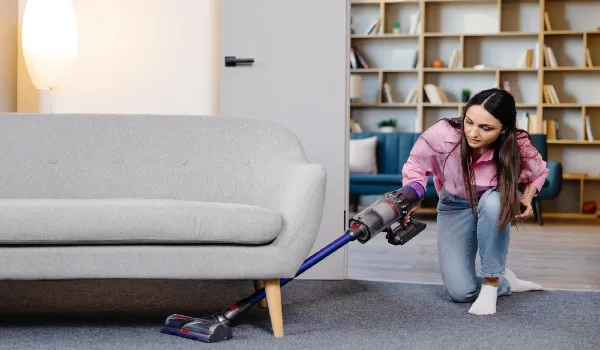
Using the right cleaning tools can save time and make difficult tasks much easier. You do not always need expensive equipment to reach hidden spaces around your home.
Here are some useful tools you can keep handy:
- Extendable microfiber dusters
- Vacuum cleaner with narrow attachments
- Flat mops with long handles
- Old toothbrushes for tight corners
- Microfiber cloths
- Spray bottles with vinegar solution
- Flexible cleaning brushes
3. How Can You Clean Ceiling Corners and Fans Easily?
Ceiling corners and fans usually gather thick layers of dust and cobwebs. Instead of dragging heavy furniture or climbing dangerously, use an extendable microfiber duster to reach high places safely. Microfiber tools trap dust effectively without spreading it around the room.
For ceiling fans, place an old pillowcase over each blade and gently pull it back. This simple trick collects, the dust inside the pillowcase, instead of letting it fall onto the floor or furniture. Wiping the blades with a damp cloth afterwards helps remove any remaining dirt and keeps the fan looking fresh.
4. What Is the Best Way to Clean Behind Furniture and Appliances?
Large furniture and appliances like refrigerators, washing machines, and sofas are difficult to move, which is why dust and debris easily build up behind them. Start by carefully shifting lightweight items and using a vacuum cleaner with a long hose attachment to remove loose dirt from narrow gaps.
For sticky grime or stains, wrap a microfiber cloth around a flat mop or ruler to reach tight spaces. Lightly spray a mixture of warm water and vinegar onto the cloth, before cleaning. This method works well for removing hidden dirt, without damaging walls or floors.
5. How Do You Clean Window Tracks and Sliding Door Rails?
Window tracks and sliding door rails are small spaces that collect dust, dead insects, and grime over time. These areas are often forgotten because they are difficult to clean with regular cloths or brushes. However, leaving dirt in the tracks can affect how smoothly doors and windows operate.
Start by vacuuming loose dirt using a narrow nozzle attachment. Then use an old toothbrush or small cleaning brush dipped in warm soapy water, to scrub away stubborn grime. Wipe the area with a dry cloth afterwards, to prevent moisture buildup, and keep the tracks functioning properly.
6. How Can You Remove Dust From Air Vents and Exhaust Fans?
Air vents and exhaust fans collect airborne dust and grease, especially in kitchens and bathrooms. Dirty vents can reduce airflow and spread dust throughout your home. Cleaning them every few months, helps improve ventilation and maintain better air quality indoors.
Remove vent covers carefully and soak them in warm soapy water for a few minutes. Use a brush to scrub away dust and grease before drying them completely. For exhaust fans, gently wipe the blades and surrounding area with a damp microfiber cloth, to prevent dirt buildup.
7. Why Should You Include Hidden Areas in Deep Cleaning?
Ignoring hard to reach areas can make your home feel dusty and less hygienic even after regular cleaning. Dirt buildup in hidden spots can slowly affect your furniture, appliances and indoor environment. Including these areas in your deep cleaning routine ensures your entire home stays truly clean and fresh.
If you are moving out of a rental property, paying attention to these neglected spaces becomes even more important. Professional services specialising in bond cleaning Sunshine Coast often focus on these hidden areas to ensure the property meets inspection standards. Regular cleaning throughout the year can make the final deep clean much easier and less time consuming.
Infographic For Best Ways to Clean Hard to Reach Areas

Wrapping Up
Cleaning hard to reach areas may seem tiring at first, but small efforts can make a big difference in maintaining a healthy and organised home. By using simple tools and smart cleaning methods, you can handle even the most difficult spots with ease. Whether you are maintaining your home or preparing for a detailed bond cleaning; keeping hidden areas clean will help your space look fresher, healthier and more inviting.